Demand Charge Analysis for Coin Laundries

Last reviewed 2026-09-12 by Jaken Energy editorial desk. Next review scheduled 2027-03-12.

Direct answer

Demand charge analysis reviews interval or billed kW peaks against laundromat equipment schedules, rate schedule thresholds, and tariff interval definitions—often 15 or 30 minutes. Supply contracts priced in $/kWh do not replace delivery demand charges billed by Oncor, Pepco, Con Edison, or other utilities. Analysis identifies operational stagger opportunities and tariff fit; it does not guarantee demand reduction. Jaken Energy provides independent review separate from your utility.

Cited: [1] PUCT · [2] DC PSC

Who it is for

  • Stores billed on demand schedules above roughly 10–25 kW
  • Owners considering equipment upgrades affecting peak load
  • Buyers evaluating whether a high bill is structural demand

Who it is not for

  • Small GS accounts without demand billing
  • Owners expecting REP switch alone to cut kW charges
  • Sites without billed kW line items

Process

  1. Confirm rate schedule and demand interval on tariff
  2. Collect interval data or proxy from monthly kW billing
  3. Map peak timestamps to operating logs if available
  4. Separate delivery demand from any supplier demand-like riders
  5. Model stagger scenarios conservatively
  6. Compare tariff alternatives if load profile changed materially

Supply versus delivery demand

Some Con Edison accounts see demand on both delivery and supply sides; most Texas TDU demand is delivery-only on the REP bill.

Changing REPs does not reclassify you to a non-demand schedule.

Gas dryers and electric peaks

Gas-heated dryers may leave washers, extractors, and water heat as peak drivers.

Electric water heating can dominate kWh and kW simultaneously during hot cycles.

Q & A

Will a cheaper REP lower my demand charge?
Generally no—demand is tied to delivery tariff kW billing, not supply energy rate.
Do I need interval meters?
Helpful but not always required; monthly billed kW still supports directional analysis.

Sources

  1. Choosing an Electric PlanPUCT (current)

    Supports: TDU pass-through context

  2. DCPSC Retail ChoiceDC PSC (current)

    Supports: Pepco demand context

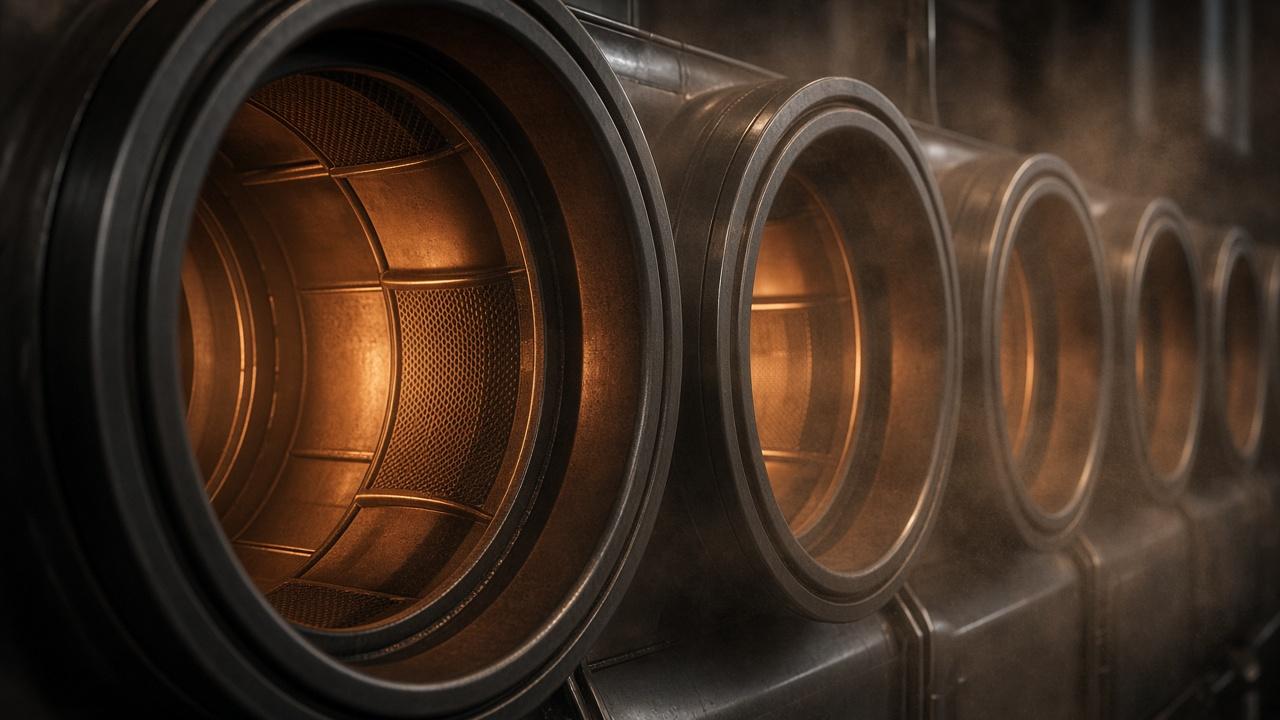
Row of commercial dryer drum openings with a warm heat glow.

Owner desk

Need help reviewing your bills or quotes?

Share your utility territory and contract timing. We provide independent supply-side guidance where your market allows—not utility sales or guaranteed savings claims.